/2025-02%20AutoStore%20Logo%20Landscape%20(red%20white).png?width=175&height=31&name=2025-02%20AutoStore%20Logo%20Landscape%20(red%20white).png "2025-02 AutoStore Logo Landscape (red white)")
/2025-02%20AutoStore%20Logo%20Landscape%20(red%20black).png?width=175&height=31&name=2025-02%20AutoStore%20Logo%20Landscape%20(red%20black).png "2025-02 AutoStore Logo Landscape (red black)")
.svg)


Last in First Out (LIFO): Understanding the Method
In today's competitive landscape, effective inventory management is vital for profitability. The last in, first out (LIFO) method is one strategy...
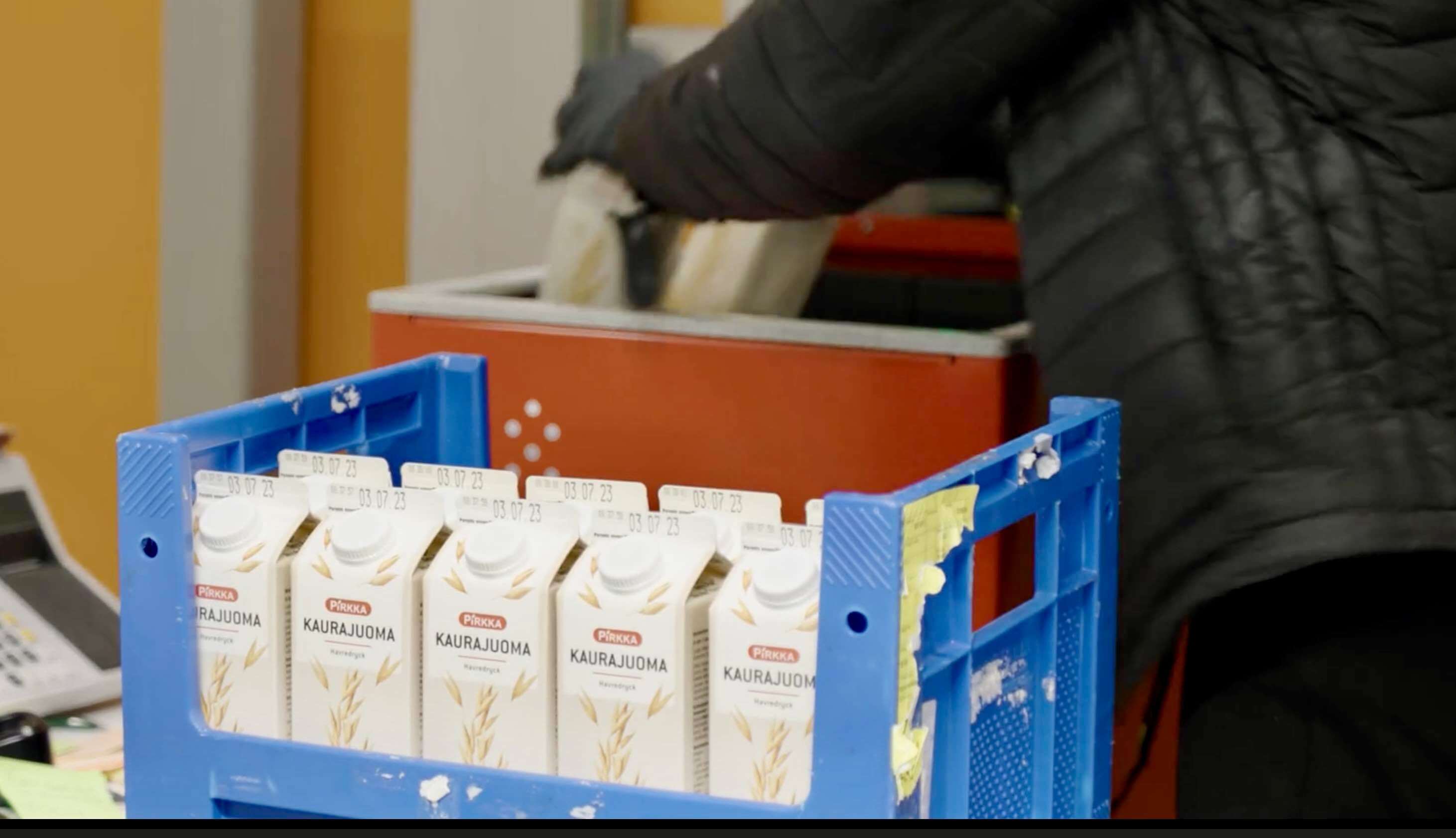
The first in, first out (FIFO) method is an inventory management strategy that prioritizes using older stock before newer items. This approach helps maintain product quality, reduces waste, and boosts operational efficiency. This article will cover how FIFO works, its benefits, and its applications in various industries. We’ll also discuss its differences from methods like LIFO and how technologies like AutoStore can enhance FIFO implementation. Let’s explore the fundamentals of FIFO and its transformative impact on inventory management.
FIFO is an inventory method that uses the oldest stock first, ensuring that the earliest products are sold or used before newer ones. This technique is vital for perishable goods, like food and pharmaceuticals, where expiration is a concern.
FIFO helps maintain inventory freshness and product integrity by keeping products moving efficiently. Implementing FIFO simplifies inventory management, ensures products are current, and improves turnover rates. Overall, it leads to a more organized inventory system and increased profitability.
With a solid understanding of FIFO's fundamental principles, let’s delve into how this method operates in practice. By examining the step-by-step application of FIFO, we can see how its theoretical benefits translate into real-world inventory management practices. Here’s a step-by-step breakdown of how FIFO works in practical scenarios:
Receiving Inventory: When new products arrive, they are added to the back of the storage area or shelf, while the older stock remains at the front. This ensures that the products received earlier are more accessible and ready to be used or sold first.
Organizing Stock: Shelves, totes, or storage spaces are labeled and arranged to ensure the oldest products are positioned in front. This layout makes it easier for employees to pick and process the older stock first, avoiding confusion or mix-ups with newer items.
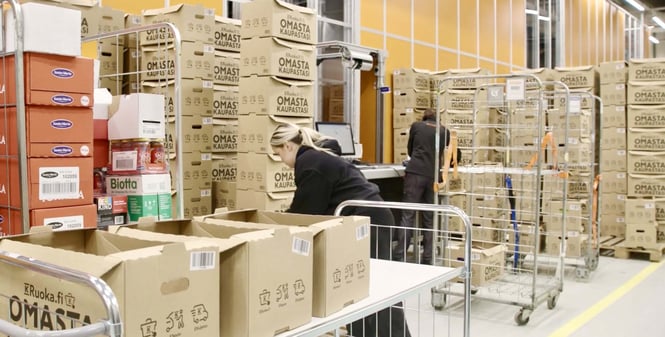
Perishable food products have limited shelf lives, making proper stock rotation essential. FIFO ensures older inventory is used first, helping maintain freshness, reduce waste, and prevent expired products from reaching customers.
Stock Rotation: As older products are picked for orders or used in production, the newer items gradually move forward. This consistent rotation keeps the inventory flowing smoothly and prevents products from being forgotten or sitting unused in the back.
Tracking and Documentation: Inventory management systems track the entry date of products, ensuring accuracy in stock control. These systems help verify that the oldest items are being moved out first, aligning with FIFO principles.
With a clear grasp of FIFO's practical implementation, we can see how its operational steps contribute to effective inventory management. This practical approach not only keeps your inventory fresh but also streamlines your operations.
Understanding how FIFO functions in practice sets the stage to explore its broader advantages and diverse applications. The real-world benefits of FIFO extend beyond efficient stock management, influencing various industries from food and pharmaceuticals to retail and e-commerce. By examining these benefits and applications, we can appreciate how FIFO supports operational excellence and enhances overall profitability.
Here’s how FIFO is applied across different sectors and why it becomes essential in certain scenarios:
In the food and beverage industry, FIFO is crucial for maintaining product quality and safety. It ensures that older products are used or sold before newer ones, which helps to:
Minimize spoilage: By pushing older products to the front during restocking, grocery stores and restaurants ensure that perishable goods like milk or bread are consumed within their freshness periods. This practice helps to prevent expired products from reaching customers.
Ensure compliance: In commercial kitchens, FIFO helps manage inventory by rotating stock so that ingredients are used in the order they were received. This not only maintains food quality but also adheres to health and safety standards.

In healthcare supply chains, every dose counts. FIFO prioritizes the oldest inventory first, helping ensure medications and vaccines are used before expiration while improving safety and reducing waste.
The pharmaceutical industry relies on FIFO to handle products with strict expiration dates. Here’s why FIFO is essential:
Manage expiration-sensitive products: Medications and vaccines must be used before their expiration dates to ensure safety and efficacy. FIFO helps ensure that older batches are used first, minimizing the risk of expired products reaching patients.
Regulatory compliance: FIFO is often mandated by regulatory bodies, such as the FDA or USDA, to prevent the sale of expired or unsafe products. Adhering to FIFO helps pharmaceutical companies meet safety standards and avoid legal issues.
In retail and e-commerce, FIFO supports efficient product turnover and maximizes profitability:
Efficient product turnover: For retailers, FIFO ensures that older stock is sold first, preventing inventory from becoming obsolete. This is particularly important for seasonal products or items.
Enhanced inventory management: E-commerce businesses use FIFO to manage warehouse stock effectively. By rotating inventory, they streamline order fulfillment and reduce the likelihood of shipping outdated items, improving customer satisfaction.
FIFO is not just beneficial but essential in specific scenarios. The benefits make FIFO essential in the following cases:
Managing perishable goods
Compliance with regulations
Handling seasonal inventory
Understanding the practical benefits of FIFO highlights its importance across various sectors. From ensuring product freshness in the food and beverage industry to maintaining compliance in pharmaceuticals and optimizing inventory management in retail, FIFO proves indispensable in managing inventory efficiently and effectively.
LIFO Explained: When Newer Inventory Ships First
Learn how the LIFO method impacts costs, taxes, and
inventory management.
While FIFO offers numerous advantages for managing perishable goods, regulatory compliance, and efficient stock turnover, it's also valuable to consider alternative methods like LIFO. Comparing FIFO with LIFO can provide deeper insights into their respective strengths and applications, helping you determine which method best suits your specific inventory needs.In the upcoming section we will explain the differences.
FIFO Overview:
Approach: Oldest stock is used or sold first.
Benefits: Ideal for perishable goods or products that deteriorate over time.
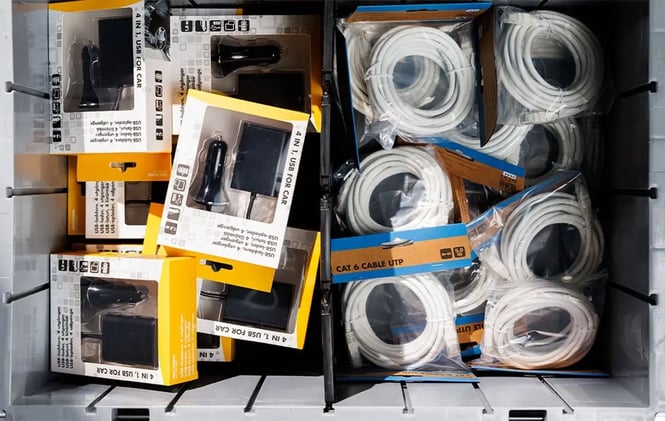
The LIFO method is particularly advantageous for electronics retailers carrying non-perishable items because it prioritizes selling the newest, higher-cost inventory first. This approach can reduce reported cost of goods sold and, as a result, lower taxable income.
LIFO Overview:
Approach: Most recently acquired stock is used or sold first.
Benefits: Useful in industries with non-perishable items and rising costs.
Stock rotation: FIFO moves older stock first; LIFO uses newer stock first.
Key Differences:
Stock rotation: FIFO moves older stock first; LIFO uses newer stock first.
Application: FIFO is preferred for perishables like food and pharmaceuticals, while LIFO suits industries with bulk materials or where cost fluctuation is a concern.
Tax implications: LIFO can lower taxes by reflecting higher costs but is not permitted under all accounting standards.
Overall, FIFO is more practical for most businesses, ensuring freshness and efficient inventory management.
The choice between FIFO and LIFO depends on your business model and industry needs.
FIFO is better if your products have limited shelf lives, or you aim to maintain product quality, as in the food, beverage, or pharmaceutical industries. FIFO prevents inventory from becoming obsolete and keeps operations smooth by reducing waste and ensuring customers always receive fresh goods.
LIFO may be advantageous if your business deals with raw materials or non-perishable goods where price fluctuations are a concern. For example, industries dealing with construction materials or mining products might benefit from LIFO when costs rise over time.
While FIFO is ideal for perishable goods and regulatory compliance, comparing it with LIFO highlights their unique strengths. FIFO uses the oldest stock first, while LIFO focuses on the most recently acquired items. Understanding these differences can help you choose the best method for your needs.
Now that you know how FIFO compares to LIFO, let’s explore how to effectively implement FIFO. This involves best practices and addressing challenges to ensure efficient inventory management and optimal results.
Design for accessibility: Arrange shelves and storage areas so that older stock is easily accessible. Use FIFO-compatible shelving systems to ensure that stock moves forward as newer items are added.
Implement clear labeling: Clearly mark shelves with receipt and expiration dates to guide workers in selecting older items first.
Create designated zones: Establish separate areas for receiving, storing and shipping stock to streamline the FIFO process and ensure proper stock management.
Training Your Team:
Conduct comprehensive training: Provide thorough training on FIFO principles, including practical demonstrations and hands-on exercises to reinforce understanding.
Develop and distribute procedures: Create detailed guidelines on FIFO practices, covering stock handling, rotation and labeling. Ensure these documents are accessible for daily reference.
Monitor and provide feedback: Regularly observe FIFO practices, offer constructive feedback, and recognize adherence to maintain high standards and encourage compliance.
Leverage Automation:
Use inventory management systems: Implement automated systems that integrate with barcode or RFID technology to track stock movement accurately and facilitate FIFO execution.
Integrate with a warehouse management system (WMS): Utilize a WMS for real-time inventory visibility and automated stock rotation.
Invest in automated shelving: Adopt shelving solutions like push-back racks or pallet flow systems that support FIFO principles and reduce manual handling.
Stock Tracking Difficulties:
Manual errors: Manual tracking of FIFO can lead to inaccuracies and complicate inventory management.
Overcoming the challenge of order inaccuracies:
Automate tracking: Implement automated systems such as barcoding, RFID, and WMS to track inventory in real-time and reduce human error.
Regular audits: Conduct frequent inventory audits to ensure FIFO adherence and identify discrepancies.
Employee training: Train staff on FIFO principles and the use of tracking technologies to ensure proper stock rotation.
Storage Space Considerations:
Efficient use of space: FIFO can be challenging in environments with limited storage space.
Overcoming the challenge:
Clear labeling: Use visible labels to indicate receipt and expiry dates, simplifying stock rotation and reducing confusion.
Optimize shelving: Design shelving systems to facilitate easy access to older stock, such as gravity-fed or flow racks that automatically bring older items to the front.
Utilize vertical space: Employ high-density shelving and racking systems to maximize storage capacity while maintaining easy access to older inventory.
Understanding FIFO’s strengths and challenges sets the stage for optimizing its implementation. Let’s examine practical strategies and common obstacles to ensure successful FIFO execution.

Manual tracking of FIFO can lead to inaccuracies and complicate inventory management. Standard automated systems that integrate with barcode or RFID technology to track stock movement accurately and facilitate FIFO execution is more effective.
With the principles of FIFO and its implementation best practices in mind, let’s explore the calculation process. Accurately determining the cost of goods sold (COGS) and ending inventory is crucial for effective inventory management. Here’s a step-by-step guide to calculating FIFO:
Gather Inventory Data
Initial inventory: Record the quantity and cost of inventory at the start of the period.
Purchases: Note each new inventory batch, including quantity and cost.
Track Sales
Record sales: Allocate costs based on FIFO, using the oldest stock first.
Calculate COGS
Apply FIFO costs: Multiply the number of units sold from each batch by their respective costs and sum these amounts.
Update Remaining Inventory
Subtract sold units: Deduct the units sold from each batch, starting with the oldest.
Calculate Ending Inventory Value
Value remaining stock: Multiply remaining units by their costs and add these values to determine the total ending inventory.
With FIFO calculations in place, the next step is exploring how technology can further streamline the process. In this next section, we’ll explain how AutoStore solutions can enhance FIFO efficiency and accuracy in inventory management.
When it comes to implementing the FIFO method, AutoStore technology enhances inventory management and efficiency. But AutoStore doesn't enforce FIFO the way traditional shelving does. Instead of relying on gravity flow racks or manually pushing older stock to the front, it manages stock rotation through software and robotics. Here's how the advanced systems from AutoStore support FIFO practices.
Unlike physical FIFO methods that depend on shelf layout, AutoStore manages stock rotation through software. Goods are stored in stacked Bins inside a cube-shaped Grid and every Bin's contents, including receipt date, batch, and expiration, are tracked by the Controller and the connected WMS.
When an order is picked, the software decides which Bin to retrieve first based on those rules: Oldest stock first for FIFO, or earliest expiration date first for first expired first out (FEFO). Rotation becomes a data decision, not a manual shelving task. For food, beverage, and pharmaceutical operations where a shorter-dated batch received later should ship before an older one, it is a decisive advantage to apply FIFO or FEFO in software without changing a single shelf.

AutoStore enforces FIFO and FEFO through intelligent inventory management. With many Bins accessible from the top of the Grid and most others only a few moves away, older inventory can be retrieved efficiently without impacting fulfillment speed.
A fair question is: If Bins are stacked in a cube, doesn't the oldest stock get buried? It doesn't. Through a process AutoStore calls Bin preparation (or "bin digging"), Robots proactively move the Bins needed for upcoming orders to the top of the stack ahead of time, guided by WMS priorities, so the right Bin is ready the moment an operator needs it.
On average, 39% of Bins are retrieved straight from the top with no digging at all, and the typical Bin sits just 2.5 cells deep; about 27 seconds to reach. Even when the oldest Bin is lower in the stack, the system can always reach it, and because most digging happens opportunistically during quieter periods, FIFO and FEFO are enforced without slowing fulfillment.
Automated Storage and Retrieval: The robotics-driven storage and retrieval systems from AutoStore ensure precise and efficient handling of inventory. Because the software always knows which Bin holds the oldest stock and prepares it in advance, the oldest items are selected first which directly addresses one of the biggest FIFO challenges: manual tracking errors.
Optimized Inventory Management: The AutoStore system integrates seamlessly with WMS and other inventory management software. This integration allows for real-time tracking of inventory and ensures that FIFO (or FEFO) is maintained throughout the storage and retrieval process. Automated inventory updates and precise data collection enhance the accuracy of stock rotation.
Maximized Storage Capacity: The cube-based storage solution from AutoStore maximizes vertical space and optimizes storage density, which solvies the second common FIFO challenge: limited storage space. By organizing inventory in compact, high-density storage units, AutoStore makes FIFO easier to maintain even in constrained facilities, while keeping older stock fully accessible and rotated properly.
Efficient Stock Handling: AutoStore reduces the need for manual handling and reorganization of stock. Its automated picking and sorting processes streamline the management of older inventory, ensuring FIFO principles are followed without extensive manual intervention and without the re-slotting that gravity racks require as volumes change.
Precise Tracking and Reporting: The technology from AutoStore provides detailed tracking and reporting capabilities, ensuring inventory is managed according to FIFO and FEFO requirements. The system generates accurate reports on stock levels, movements, and expiration dates, helping businesses in regulated sectors like pharmaceuticals stay compliant with FDA and USDA standards and maintain a clear audit trail.
Error Reduction: The automation provided by AutoStore significantly improves accuracy compared to manual FIFO implementation. By minimizing human involvement in stock handling and rotation, the system ensures FIFO is consistently applied, reducing waste and improving overall efficiency.
Customizable Solutions: AutoStore systems adapt to a wide range of industry needs, from food and beverage to pharmaceuticals and retail. The technology can be configured to apply FIFO, FEFO, or a mix of rotation rules, so businesses of every size and type can benefit from effective, accurate inventory management.
Scalable for Growth: As businesses expand, AutoStore scales to accommodate increased inventory and storage needs. You can add Bins, Robots, and Ports without redesigning your operation, so FIFO practices continue to run efficiently even as volumes grow.
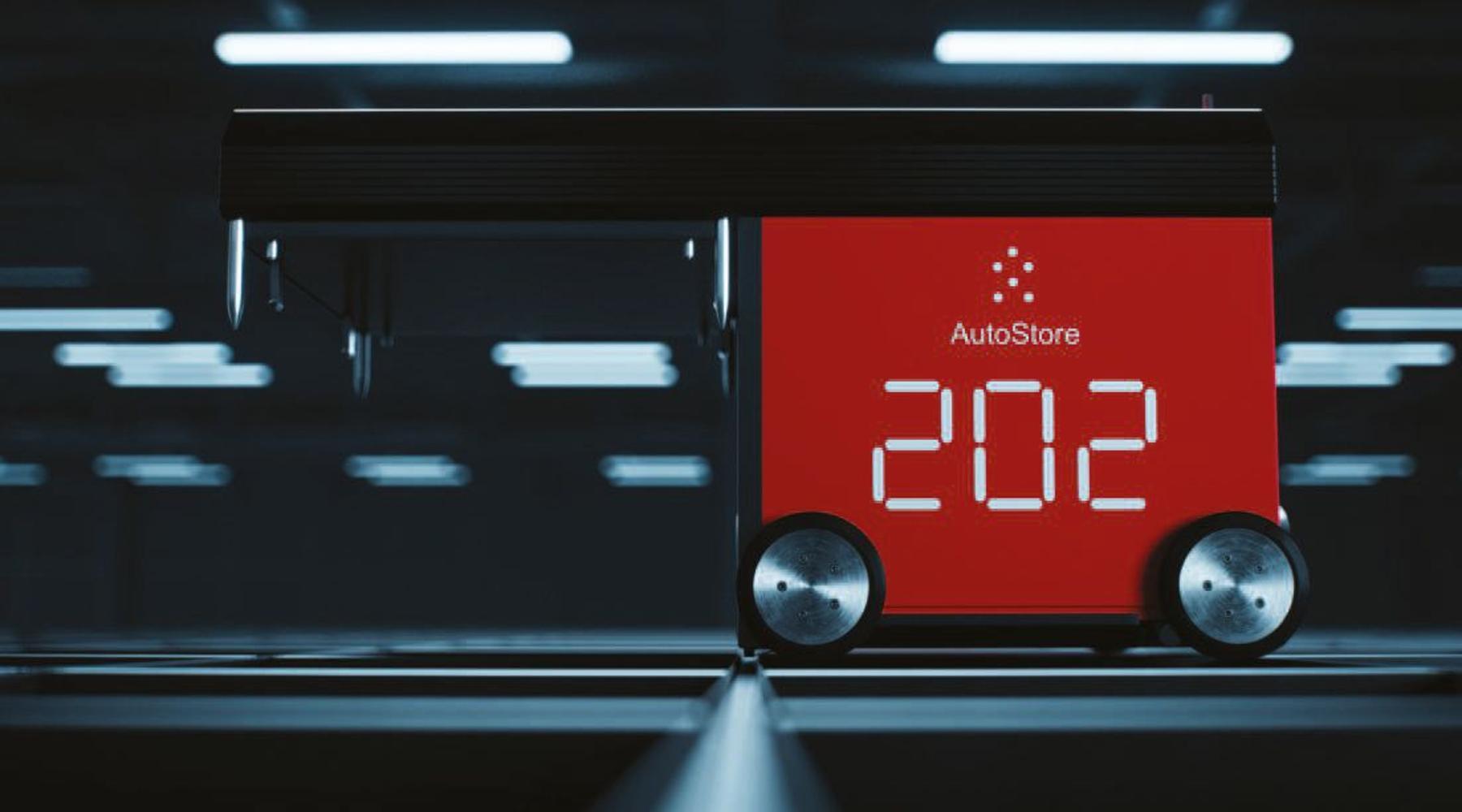
In the short animation below, you'll see how Robots retrieve the exact Bin an order needs through the bin-digging process, proving that even in a densely stacked cube, FIFO (and FEFO) rotation never gets buried.
To learn how automated FIFO could work in your facility, book a demo. For a deeper comparison of rotation strategies, see our guide to last in first out (LIFO)].
FIFO prioritizes using the oldest inventory first, reducing waste and maintaining product quality. Implementing FIFO involves optimizing tracking, layout and training, while technologies like AutoStore enhance accuracy and efficiency. Embracing FIFO and automation will streamline your inventory management and improve profitability.
FIFO means using the oldest inventory first to ensure freshness and reduce waste.
In FIFO, a grocery store sells the oldest milk cartons first, ensuring they don’t expire before being sold.
FIFO is a method where the first inventory items received are the first ones used or sold.
FIFO uses the oldest stock first; LIFO uses the newest stock first. FIFO is ideal for perishables, while LIFO suits non-perishables.
AutoStore complements FIFO by tracking every Bin's receipt date and batch in software, then directing its Robots to retrieve the oldest stock first so rotation is enforced automatically rather than by manual shelf layout. The same software logic can apply FEFO for perishable or expiration-sensitive goods, making it well-suited to food, beverage, and pharmaceutical operations.

In today's competitive landscape, effective inventory management is vital for profitability. The last in, first out (LIFO) method is one strategy...
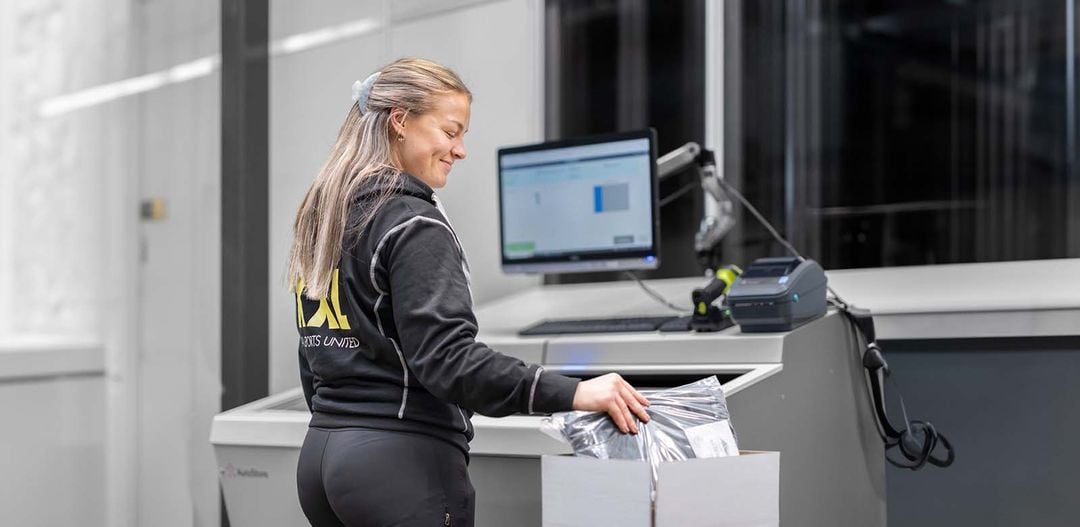
Discover how Goods-to-Person (G2P) Fulfillment is reshaping the warehousing industry and enhancing order fulfillment processes.

Master warehouse efficiency with our top 10 strategies including layout, tech, and AutoStore system integration to speed up operations and boost...
In the world of automated warehousing, understanding key terms is crucial. Whether you're a seasoned professional or new to automation, our glossary...