/2025-02%20AutoStore%20Logo%20Landscape%20(red%20white).png?width=175&height=31&name=2025-02%20AutoStore%20Logo%20Landscape%20(red%20white).png "2025-02 AutoStore Logo Landscape (red white)")
/2025-02%20AutoStore%20Logo%20Landscape%20(red%20black).png?width=175&height=31&name=2025-02%20AutoStore%20Logo%20Landscape%20(red%20black).png "2025-02 AutoStore Logo Landscape (red black)")
.svg)


The Beauty of Simplicity: Why AutoStore is a Game-Changer
Discover the advantages of AutoStore's simplicity in automated warehousing. Learn how its user-friendly design, ease of implementation, and space...
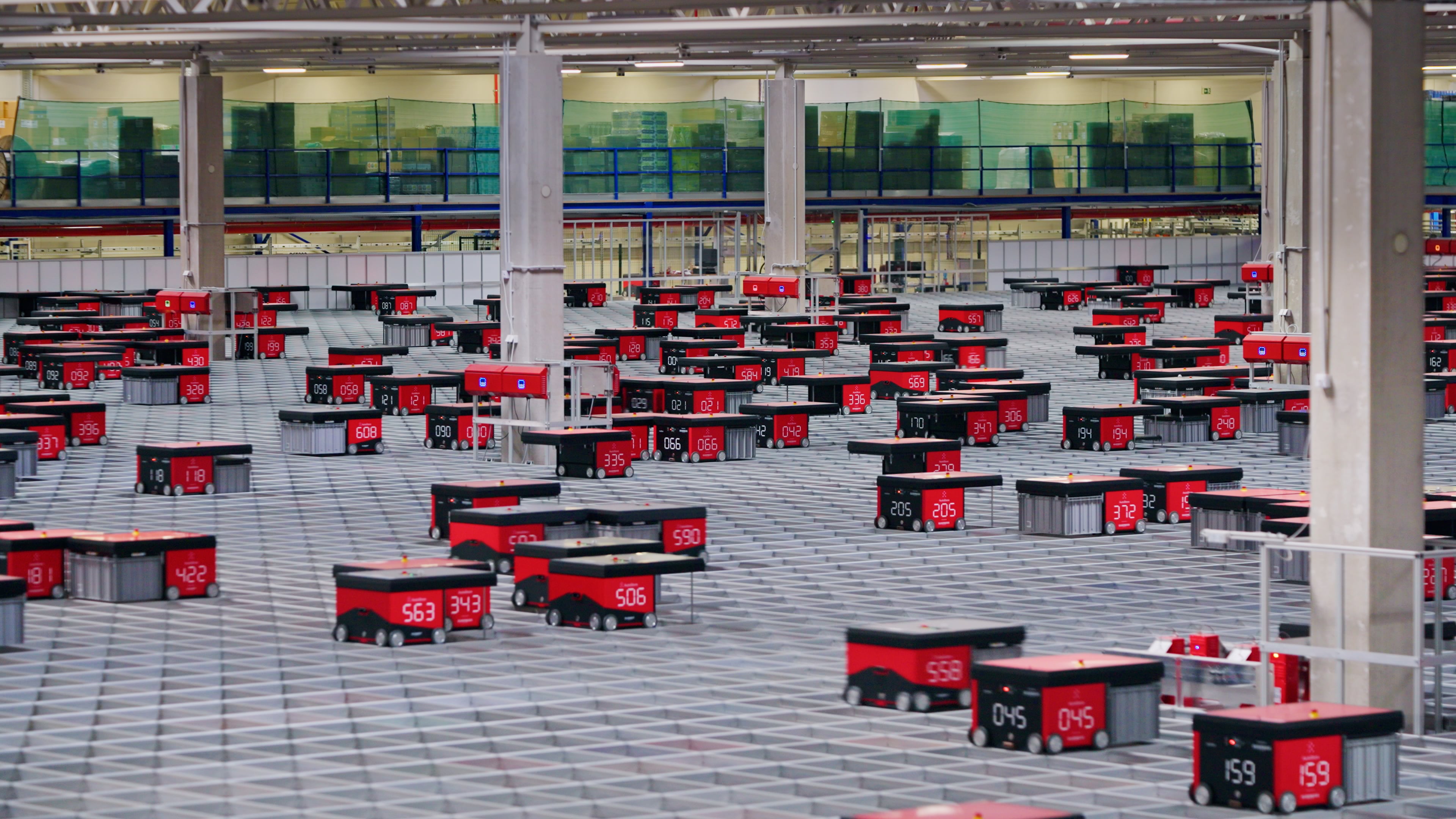
AutoStore’s 2026 State of the Market report confirms what many in the industry already see: Warehouse automation is no longer up for debate. It’s already in motion. The real question now is how to make those investments deliver meaningful value once they’re live. Here’s a quick look at what the report says about ROI.
Like any major capital expense, warehouse automation investments are largely driven by one central question: Will this deliver ROI?
In today’s world, that question hasn’t disappeared but it’s no longer the starting point.
AutoStore’s 2026 State of the Market Report shows a clear shift. Warehouse leaders have moved beyond deciding whether to automate. The focus now is on how to make those systems perform, integrate, and deliver measurable value in real operations.
The report makes it explicit that automation is no longer a future ambition or a differentiator. It’s already built into investment plans. In fact, 89% of warehouse leaders we surveyed plan to invest in automation within the next 12 to 18 months. What they’re talking about now is how to optimize.
This shift changes the nature of ROI.
Instead of asking “Will automation pay off?,” leaders are asking how quickly will it deliver value, reliably perform under pressure, and easily integrate with the rest of the operation?
Even with strong investment intent, confidence in ROI is not guaranteed. The report highlights a growing gap. Automation demand is high, but many organizations still struggle to translate that investment into consistent performance and measurable outcomes.
The reasons are familiar but increasingly critical:
Disconnected systems slow down value realization
Complex implementations delay time to impact
Operational inefficiencies reduce realized gains
In other words, ROI isn’t just about what the technology can deliver. It’s about what the operation actually captures.
One of the most important shifts in the report is how ROI is defined. Historically, ROI was framed around cost savings due to labor reduction, space savings, and lower operating expenses.
That still matters but it’s no longer enough.
Today, ROI is increasingly tied to performance, according to those surveyed. Throughput improvement (93% say it’s mission-critical, yet only 21% rate performance as “great”), real-time visibility across operations, and faster, more adaptive decision-making were all rated high in the report.
The implication is clear that discussions around ROI have moved from a static calculation to an operational capability.
%204-1.png?width=900&height=500&name=The%20Hut%20Group%20(THG)%204-1.png)
In AutoStore’s 2026 State of the Market report, 89% of warehouse leaders indicated they plan to invest in automation within the next 12 to 18 months, continuing a multi-year trend that confirms advanced technology is now essential to stay competitive. The conversation has shifted from whether to invest to how to fine-tune these systems and maximize their return, or, put simply, how to get the greatest value for their investment.
The State of the Market points to a more practical truth, which is that most organizations are not struggling to justify automation. They’re struggling to fully realize its value.
That comes down to three things:
1. Optimization
Automation that is deployed but not optimized leaves value on the table.
2. Integration
Systems that don’t connect their hardware, software, and data limit performance and delay ROI.
3. Orchestration
Without coordination across workflows, even advanced automation can underperform.
These execution gaps are what turn expected ROI into uncertain outcomes.
The takeaway from the report isn’t that ROI is less important but that it’s no longer persuasive.
Warehouse leaders are looking for proof of outcomes, not projections. They want faster time-to-value, with shorter and shorter payback periods. Above all, they want systems that work together, not isolated solutions. They want true integration!
They’re evaluating automation based on its ability to deliver consistent, measurable performance in a real-world environment.
The ROI conversation has matured from a simple payback calculation into a broader question of performance, integration, and value captured in the real world.
Warehouse leaders are no longer asking whether automation will deliver value. They’re asking whether it will deliver the right value, at the right time, under real operational conditions and, as Americans say, give them the “best bang for their buck.”
That’s a higher bar, but it’s the right one.
Because in today’s warehouse environment, competitive advantage comes from systems that don’t just promise ROI, but prove it in daily operations.

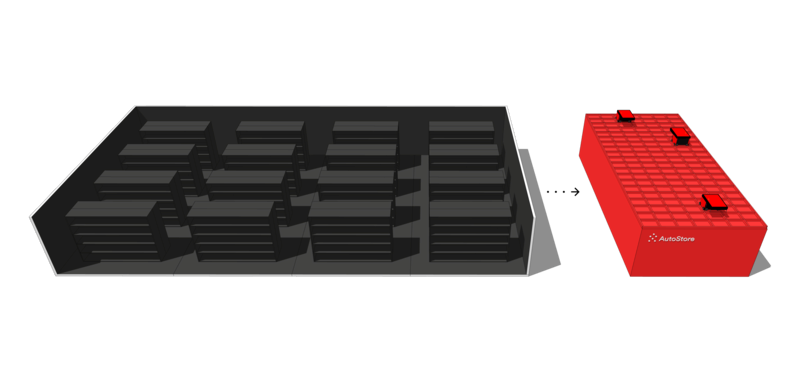
Discover the advantages of AutoStore's simplicity in automated warehousing. Learn how its user-friendly design, ease of implementation, and space...
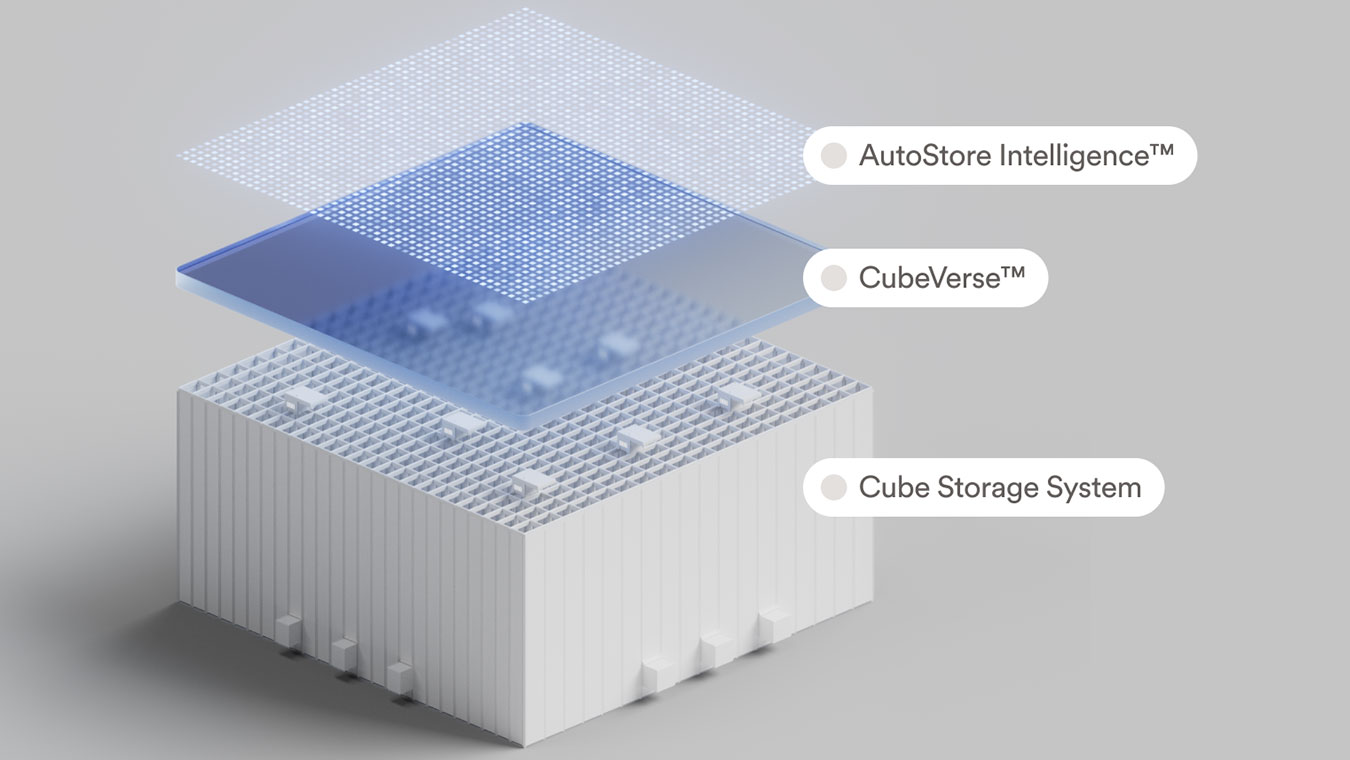
As warehouse automation systems grow in scale and complexity, software is playing an increasingly critical role in how performance is delivered and...
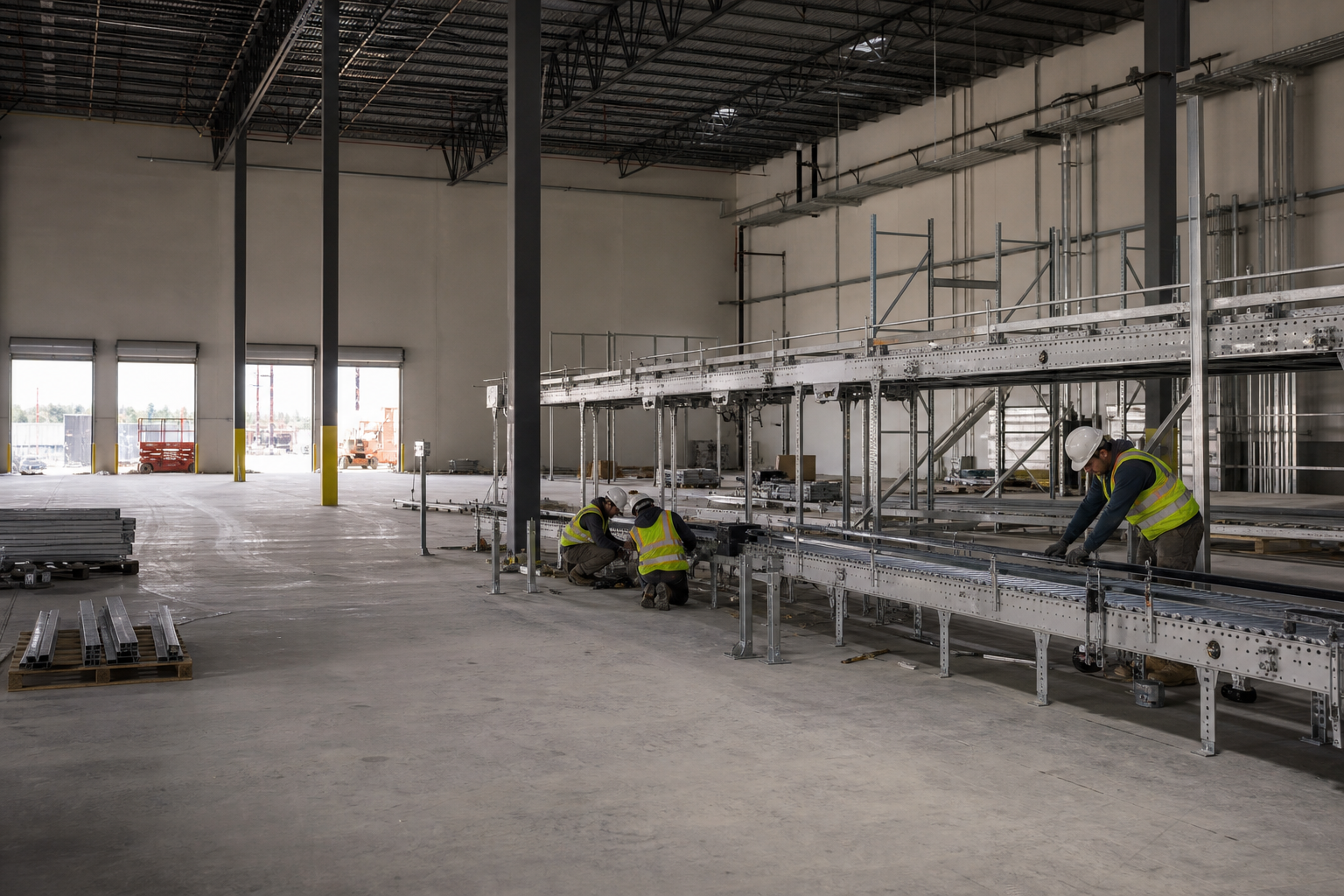
Most companies are ready to automate. So why are so many still stuck waiting for results? This blog digs into one revealing finding from the 2026...
AutoStore warehouse automation is the go-to technology for large-scale facilities. Find out more about what we're doing to ensure high performance...