TABLE OF CONTENTS
Automation
3
MIN READ
Last updated:
January 7, 2026
December 31, 2025
AI Translated | Original AutoStore Content

Why 3PL Warehouses Need a Different WMS Approach

As 3PL operations grow more complex, a modern WMS becomes critical to orchestrating multi-tenant warehouse processes.

Thank you! Your submission has been received!
Oops! Something went wrong while submitting the form.
TABLE OF CONTENTS

Warehouse Management Systems (WMS) have long been an integral part of professional logistics operations. For modern 3PL providers, however, the conversation has shifted. The critical question today is no longer whether a WMS is needed, but whether it is capable of orchestrating complex, multi-tenant warehouse environments while seamlessly integrating automation, manual processes, and value-added services.

As 3PL warehouses increasingly combine high-density automation such as AutoStore with traditional picking areas, pallet storage, and service zones, the role of the WMS becomes central. It must coordinate activity across diverse technologies while maintaining customer-specific processes, data separation, and service-level commitments.

This blog explores how a modern WMS process for 3PL providers enables scalability, operational reliability, and customer-specific flexibility. It focuses on real operational challenges faced by 3PLs managing dozens or even hundreds of clients under one roof, often across both automated and non-automated warehouse areas.

Key Takeaways

Why 3PL Operations Require a Different WMS Approach

Traditional WMS solutions are often designed for single-owner warehouses with stable processes and limited variability. 3PL operations, by contrast, are defined by constant change. New customers are onboarded, service portfolios evolve, and order profiles shift frequently.

In this environment, complexity is not an exception, it is the norm. A 3PL-ready WMS must support parallel processes, customer-specific rules, and strict data separation, while still enabling shared infrastructure and standardized execution across the warehouse. As automation investments increase, the cost of poor orchestration rises accordingly.

Multi-Tenant Architecture as the Foundation for Scale

In a multi-client warehouse, true multi-tenancy is non-negotiable. Each customer requires a clear separation of data, inventory ownership, reporting, permissions, and operational rules.

A modern 3PL WMS ensures that each tenant experiences what feels like a dedicated warehouse operation, while the logistics provider benefits from a single, scalable system. This architectural approach enables rapid onboarding, controlled growth, and consistent execution, all of which are critical to profitable scaling.

Consolidation and Sequencing Across All Warehouse Areas

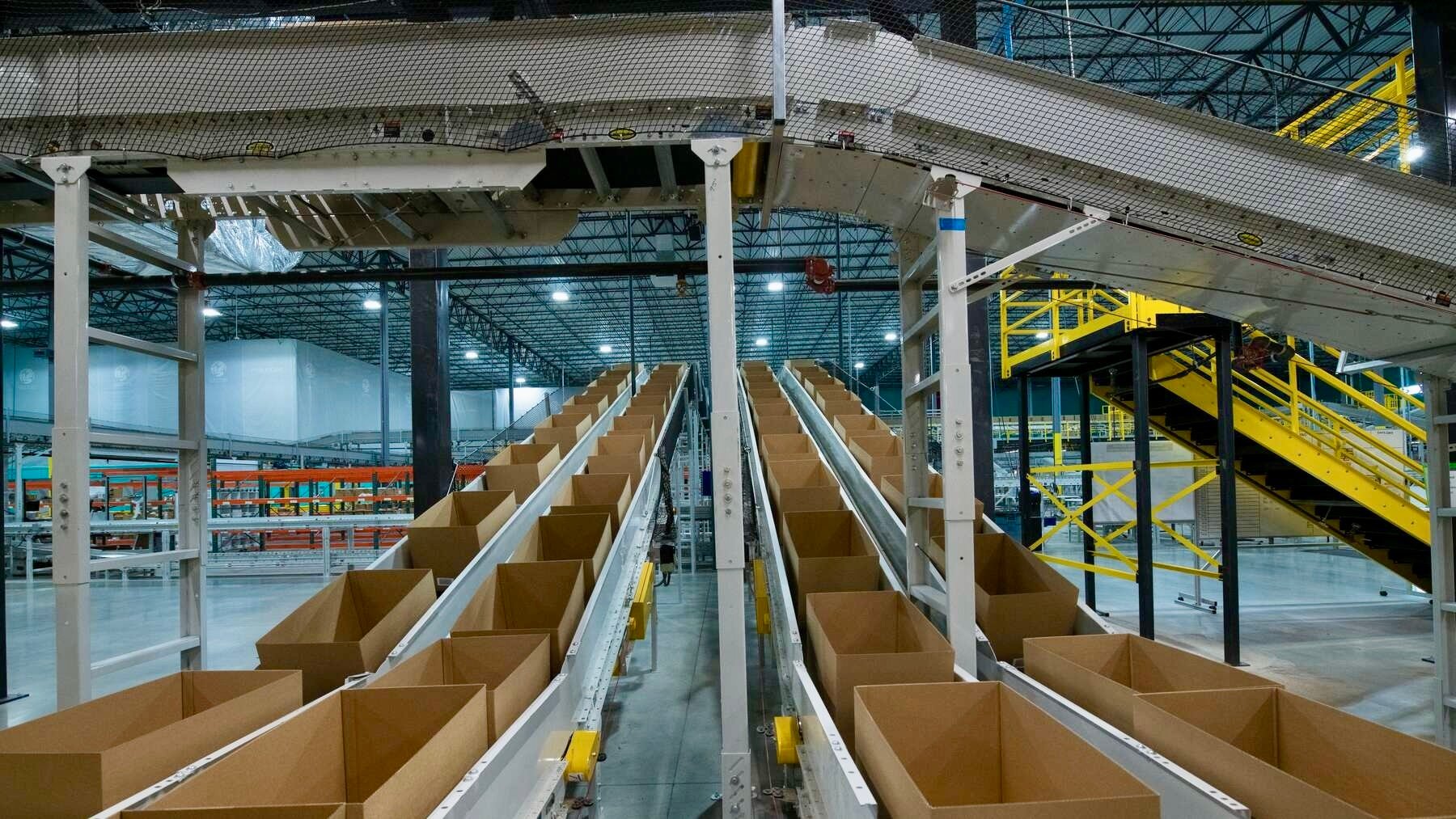
Most 3PL warehouses operate hybrid environments that combine AutoStore systems with manual picking zones, pallet storage, and specialized Value Added Services areas.

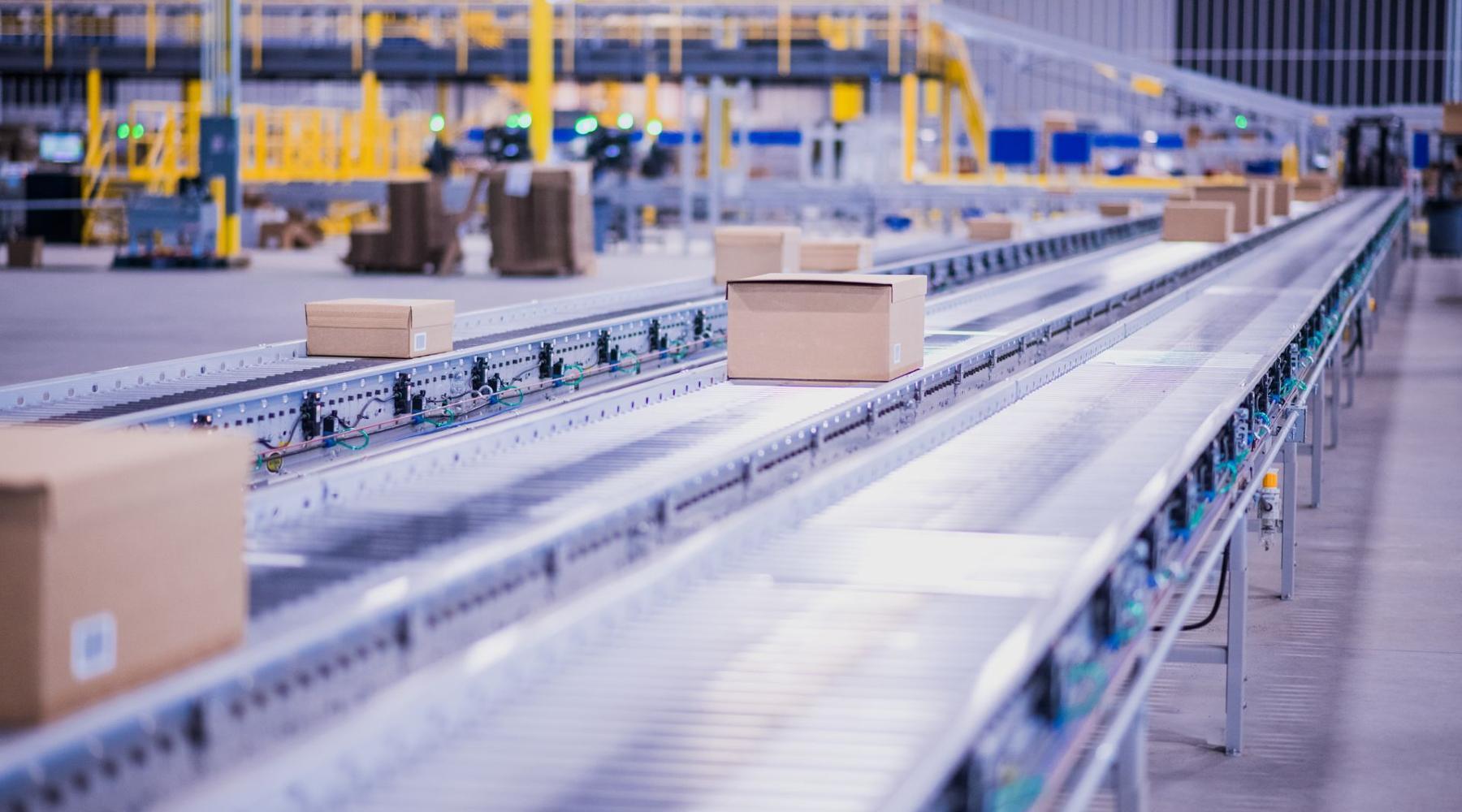
A capable WMS consolidates orders across all these areas and orchestrates the correct sequence for picking, packing, and shipping. This ensures that orders arrive at packing stations in the right order, regardless of where individual items were stored or picked. Without this level of orchestration, automation can increase operational complexity rather than reduce it.

Value Added Services as Standardized WMS Processes

Value Added Services such as labeling, kitting, quality inspections, and custom packaging are key differentiators for 3PL providers.

To remain scalable, these services must be embedded as configurable process steps within the WMS. The system enforces execution rules, ensures traceability, and provides audit trails, enabling 3PLs to introduce new services without compromising operational stability or consistency.

Reliable Inventory Control at Customer Scale

As the number of customers grows, inventory accuracy becomes a matter of trust. A modern 3PL WMS provides real-time visibility into inventory levels, locations, and statuses for each customer.

Clear ownership logic, reservation mechanisms, and automated discrepancy detection ensure that stock figures remain reliable even in highly automated, high-throughput environments where multiple customers share infrastructure.

Integrating Client Systems and Warehouse Automation

Many 3PL environments connect multiple client ERP or WMS systems to a shared warehouse operation that may include AutoStore and other automation technologies.

A well-designed WMS acts as the orchestration layer, translating incoming orders into executable warehouse tasks while balancing priorities, cut-off times, and service levels across customers. For warehouse operators, this results in a single, consistent operational interface despite the complexity behind the scenes.

Scalability, Stability, and Operational Resilience

For 3PL providers, system stability is a commercial requirement. Downtime affects not just one customer, but the entire client base.

Metrics such as Mean Time Between Failures (MTBF) become critical indicators of operational reliability. A robust WMS is designed for high availability, predictable recovery, and controlled degradation in exceptional situations, protecting both service levels and customer trust.

Conclusion

A modern WMS is the operating system of the 3PL warehouse. It enables multi-tenant scalability, seamless integration of automation such as AutoStore, and flexible service offerings while maintaining operational control.

3PL providers that invest in a WMS designed to manage complexity, rather than simplify it away, are best positioned to scale their business, onboard new customers efficiently, and fully leverage warehouse automation technologies.

Vanessa Schaefer
Enterprise Account Manager, Central Europe, AutoStore

Want to learn more about this topic?

Talk to your local expert.
Let's talk
Let's talk
THE AUTHOR(S)

TAGS
Category
Category
Category
Category

Get your complimentary copy