/2025-02%20AutoStore%20Logo%20Landscape%20(red%20white).png?width=175&height=31&name=2025-02%20AutoStore%20Logo%20Landscape%20(red%20white).png "2025-02 AutoStore Logo Landscape (red white)")
/2025-02%20AutoStore%20Logo%20Landscape%20(red%20black).png?width=175&height=31&name=2025-02%20AutoStore%20Logo%20Landscape%20(red%20black).png "2025-02 AutoStore Logo Landscape (red black)")
.svg)


CubeVerse™ Explained: How AutoStore Is Building the Intelligent Fulfillment Platform of the Future
As warehouse automation systems grow in scale and complexity, software is playing an increasingly critical role in how performance is delivered and...
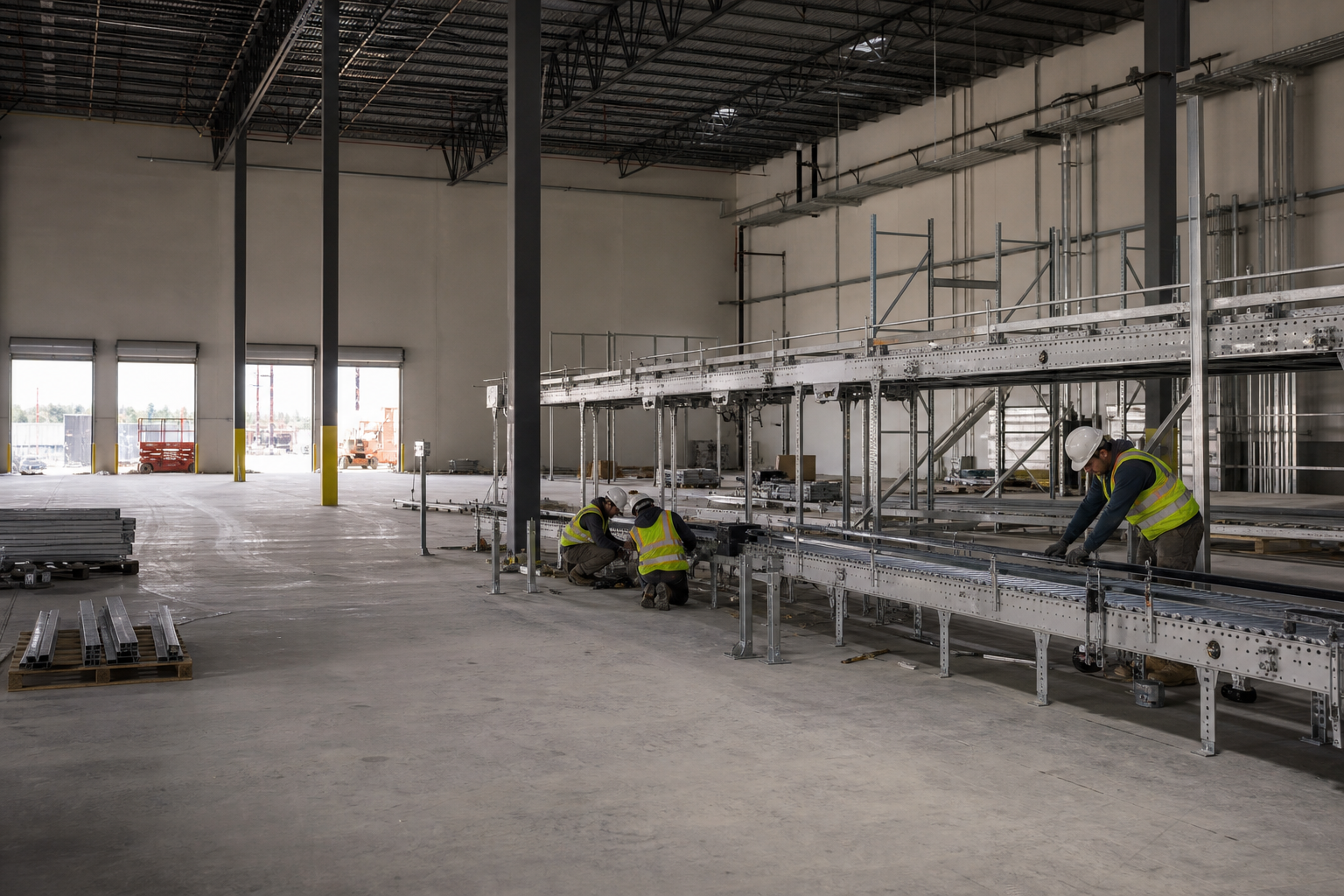
Most companies are ready to automate. So why are so many still stuck waiting for results? This blog digs into one revealing finding from the 2026 State of the Market Report and unpacks why deployment time may be the real issue holding operations back. Warehouse automation is no longer the question. Most organizations have already committed to it or are planning to.
Yet the 2026 State of the Market report reveals a common challenge: While companies want automation, lengthy deployment times can slow progress.
On paper, adoption looks strong. Nearly 9 in 10 organizations plan to invest in automation over the next 12 to 18 months, according to the report. But in reality, progress is slower than expected. That’s because deployment is harder than anticipated.
Twenty-six percent (26%) of businesses cite “complicated and lengthy implementation” as a key barrier
Many also point to integration challenges and onboarding time
This creates a consistent gap between intent and execution.
Automation isn’t being rejected. It’s being delayed.
One of the biggest disconnects in the market is how deployment is defined. The real timeline should take more than just hardware installation into consideration, and include systems integration, training and onboarding, stabilizing workflows, and scaling to full operational output.
The report makes this clear by grouping implementation complexity, integration, and retraining under the same barrier category. In other words, deployment is an operational transformation, not a technical project. That distinction is where timelines stretch.
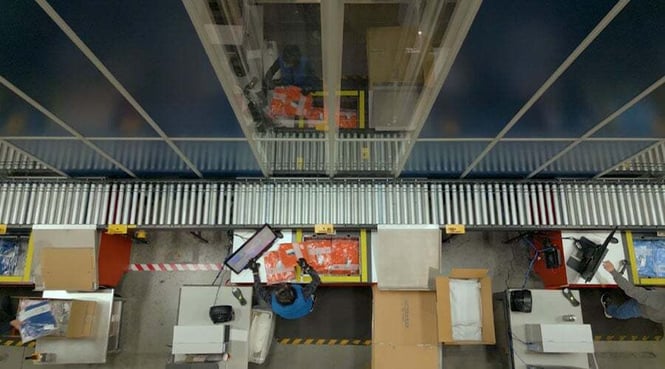
Deployment is more than just an exercise in equipment installation. It also has to do with systems integration, commissioning, staff training, and onboarding, all of which impact timelines and budgets.
This is where the insight gets interesting. The report points to a shift in how companies compete. It’s no longer just about having automation, but the depth of automation and the speed of implementation.
That’s a subtle but important repositioning. Because if most companies already have automation, or plan to, then advantage comes from how fast you deploy, how quickly you reach performance targets, and how soon you can scale.
Slow deployments push back ROI and can leave companies trailing competitors for longer than expected.
Long deployment times create ripple effects across the operation, including delayed throughput improvements, longer periods of operational disruption, extended reliance on manual processes, and slower response to demand shifts.
This matters because throughput remains a mission-critical priority for 93% of organizations. Yet performance still lags since only 21% rate their throughput as “great.”
The implication is clear. Even when companies invest, slow deployment is holding back results.
While the report doesn’t prescribe a step-by-step model, it does point toward a few emerging patterns:
1. Phased implementation instead of “big bang” rollouts
Breaking deployment into smaller stages reduces risk and shortens time to value.
2. Treating software integration as core, not secondary
Integration challenges are one of the biggest sources of delay. Systems that don’t connect cleanly slow everything down.
3. Investing in change management early
Onboarding and retraining time are major constraints. Organizations that plan for it up front move faster.
4. Focusing on time-to-value, not just system specs
Performance matters, but how quickly the system delivers results matters just as much.
The 2026 State of the Market report points to a more mature industry. Automation alone isn’t what sets companies apart anymore. Execution speed is. Not just installing systems, but getting them up, integrated, and delivering results quickly. That’s where the gap is opening today. And where competitive advantage is shifting next.
To dig deeper into the trends shaping fulfillment strategy in 2026, download the 2026 State of the Market report.

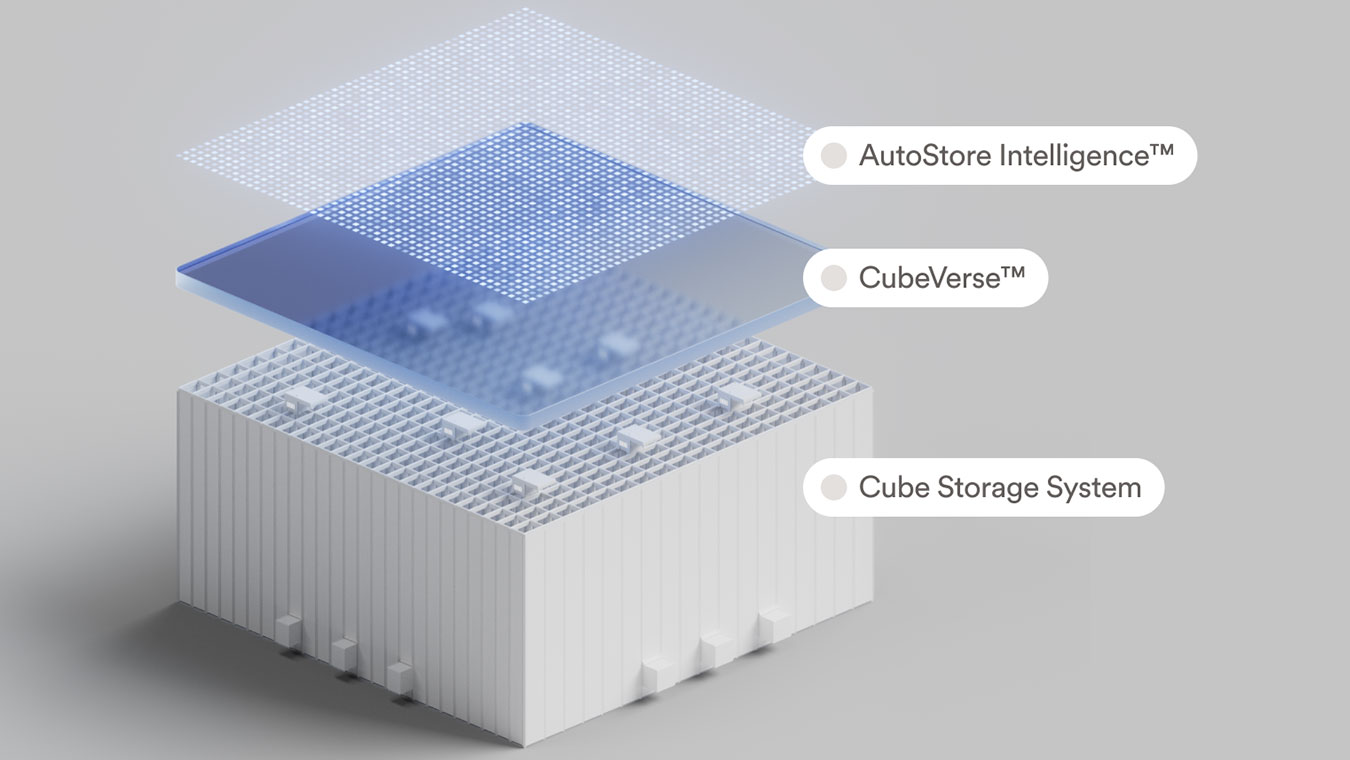
As warehouse automation systems grow in scale and complexity, software is playing an increasingly critical role in how performance is delivered and...
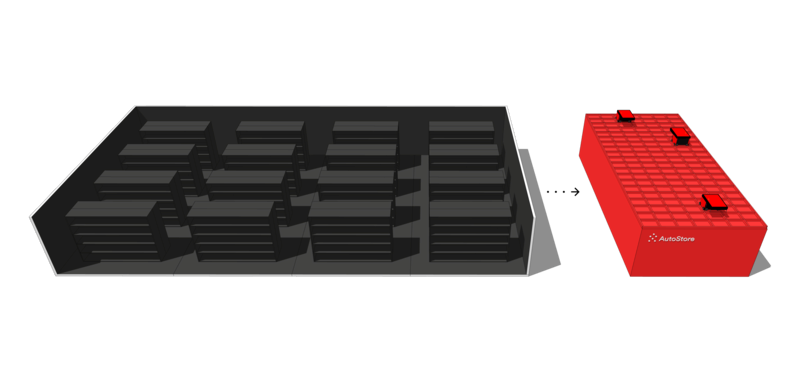
Discover the advantages of AutoStore's simplicity in automated warehousing. Learn how its user-friendly design, ease of implementation, and space...
AutoStore’s 2026 State of the Market report confirms what many in the industry already see: Warehouse automation is no longer up for debate. It’s...
In this guest blog and exclusive video interview, Sam Bertram, the Co-Founder & CEO of tells the the story of how indoor farming technology pioneer,...